Overview
Forest4EU (01/2023–12/2025) is a Horizon Europe project that strengthened European knowledge networks in forestry and agroforestry by tackling a recurring bottleneck: valuable innovations developed locally often remain confined to their region of origin. By connecting dozens of Operational Groups and related initiatives across multiple Member States, many of them showcased through EIP-AGRI / EU CAP Network, the project supported wider adoption of practical solutions and helped ensure that effective approaches can be understood, replicated and supported beyond borders.
The work focused on five areas: wood mobilisation and woody products; forest adaptation to climate change; sustainable forest management and ecosystem services; non-wood forest products; and agroforestry. Alongside practice-oriented outputs, the project also produced documentation with recommendations intended to inform policy and support frameworks.
Building the Knowledge Network
The first part of FOREST4EU concentrated on building a solid, usable knowledge base. Partners gathered and structured information made available by Operational Groups and other initiatives in participating countries, paying close attention to the innovations emerging from real contexts—whether organisational, technical, management-related or other.
From the outset, the emphasis was not on producing content for its own sake, but on making knowledge easier to find, compare and reuse by different audiences. This included early communication assets and the initial development of practical formats such as short publications, summaries and audiovisual materials, prepared in a way that supports learning and transfer across regions and stakeholder groups.
From Practice to Recommendations
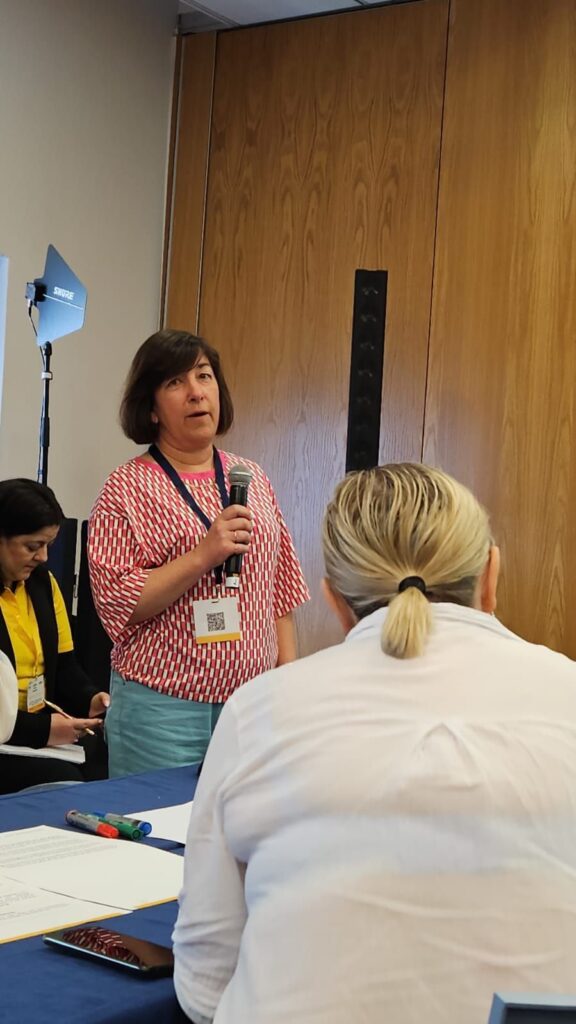
As the project matured, FOREST4EU deepened dissemination and stakeholder dialogue. Partners convened open discussions involving practitioners, technicians, public administration and researchers—both to improve the relevance of the knowledge being shared and to select appropriate channels for outreach. The project also invested in synergies with other European initiatives to strengthen coherence and avoid fragmentation, while using established platforms to widen access to results, including Zenodo and EU FarmBook.
Although the project was not designed as a research-only initiative, the information collected was analysed with care using different techniques, creating the basis for scientific outputs expected in the near to medium term. A central result of this second period was the production and dissemination of policy-oriented recommendations, reflecting lessons drawn from practice and multi-actor exchange.
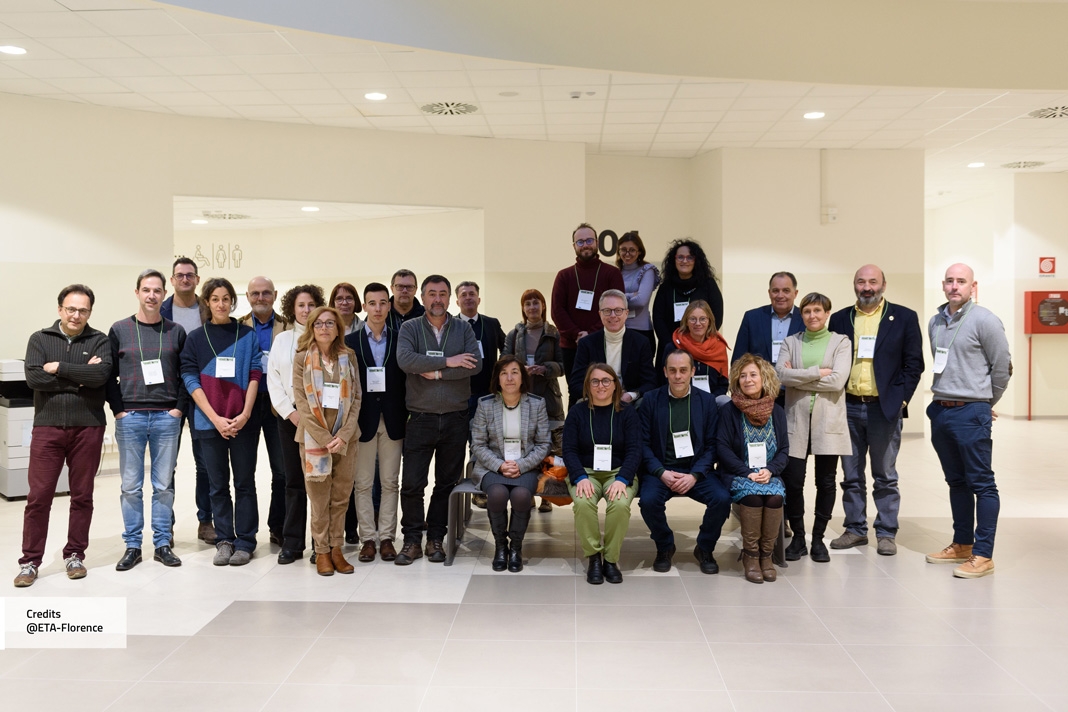
Some of our Partners: